CASE STUDY · GAME CONCEPT · 2026
A childhood game turned into a competitive multiplayer battle, where every step into enemy land is a bet.
- My role
- Product Designer & Creative Director
- Year
- 2026
- Duration
- About 2 months
- Team
- Solo project
- Platform
- PC (desktop), 1920 × 1080
01 · PROJECT OVERVIEW
From the schoolyard to a battle arena
Animal Flags is a game concept I created from zero. It starts from a game almost every Brazilian kid played at school, "bandeirinha": two teams, two flags, and you need to cross the other side without being caught.
I turned that simple idea into a competitive multiplayer game for PC. Two teams of anthropomorphic animal warriors fight on a long, linear map. To win, you cross the enemy field, capture their flag and survive. If you die, you lose all your progress and start again from your own base.
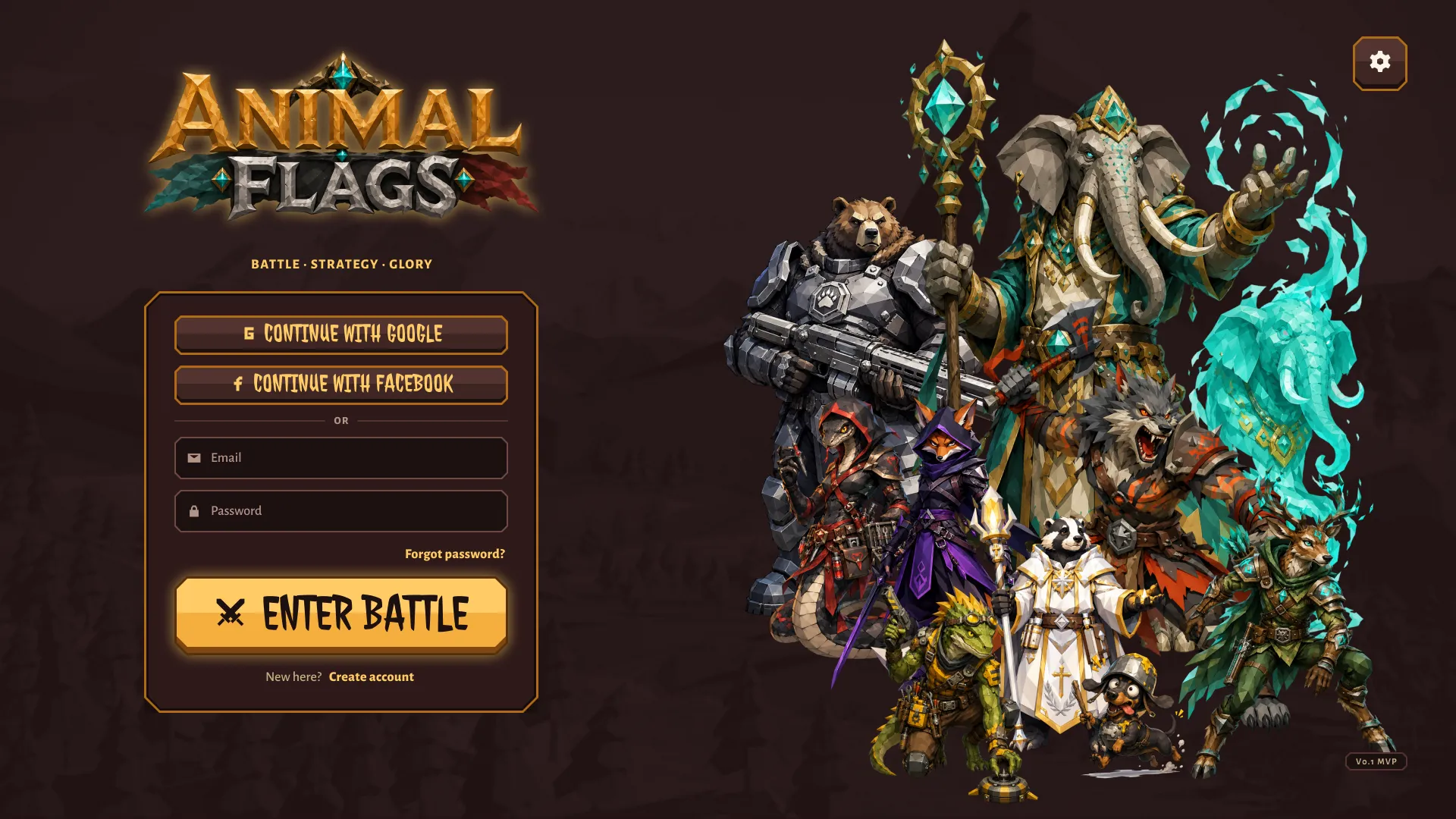
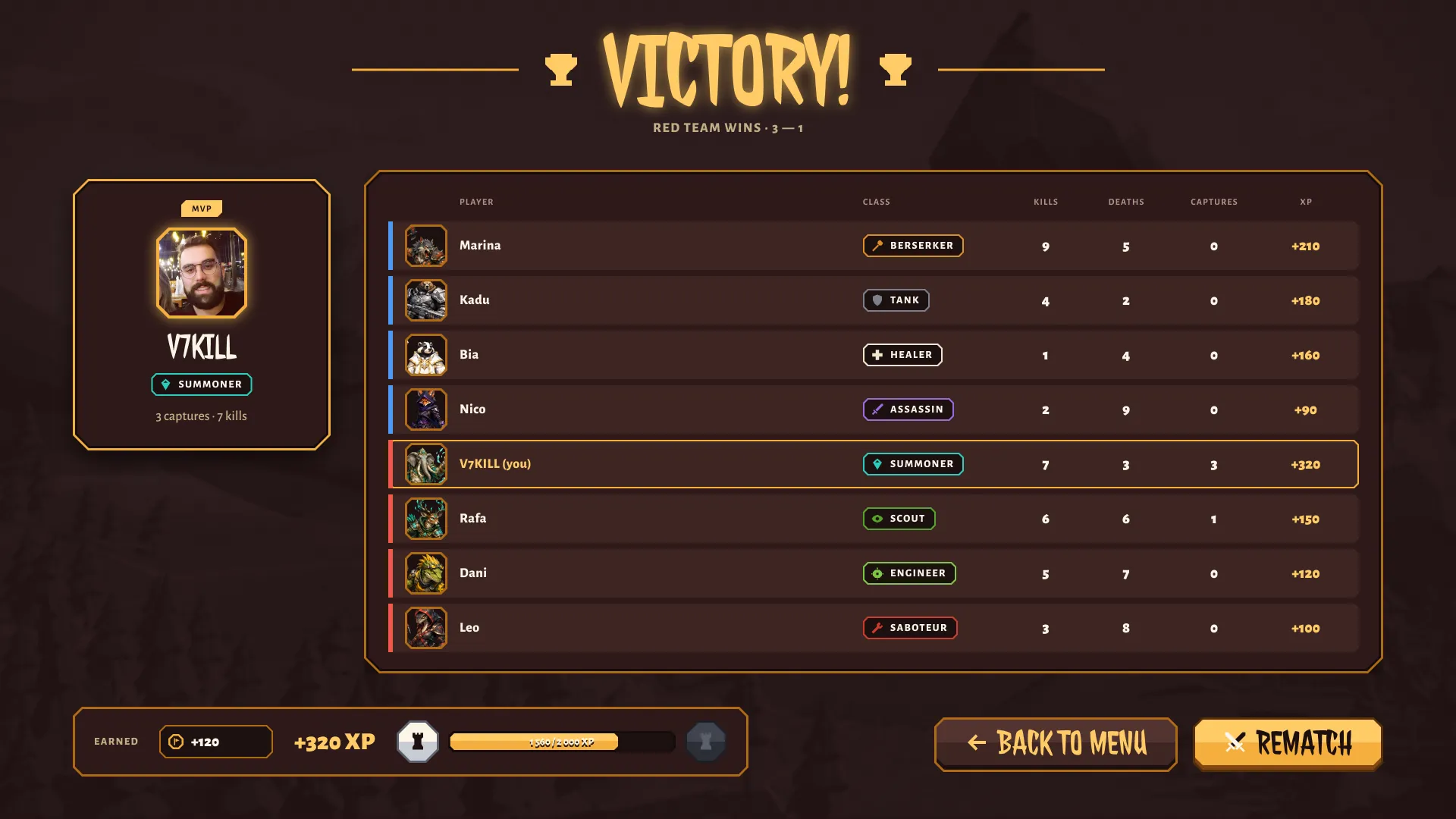
I was responsible for the full concept: game rules, classes, progression and monetization, the art direction of the characters, a complete design system and the 10 main screens of the player journey, from login to the end of a match.
What I delivered
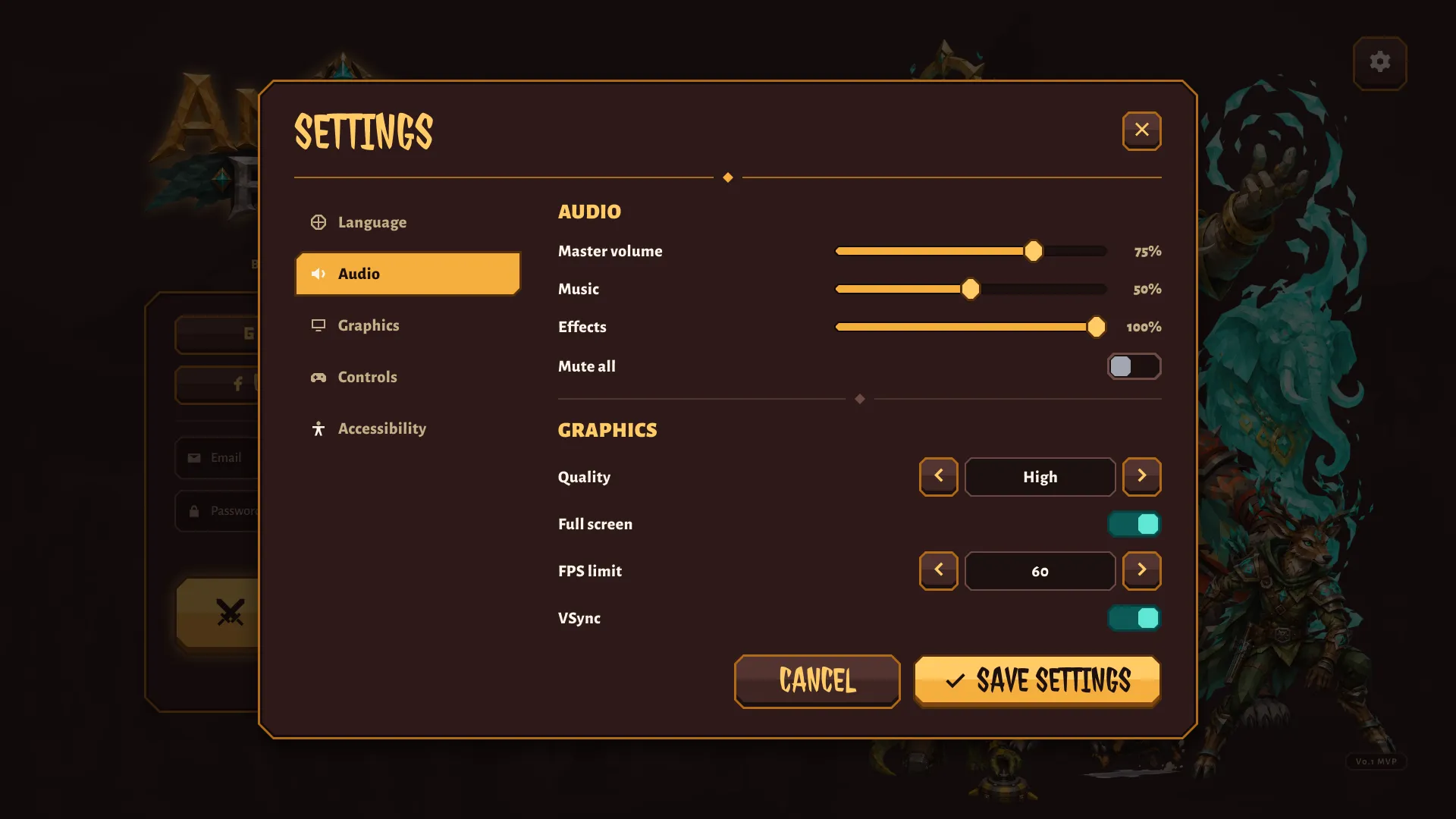
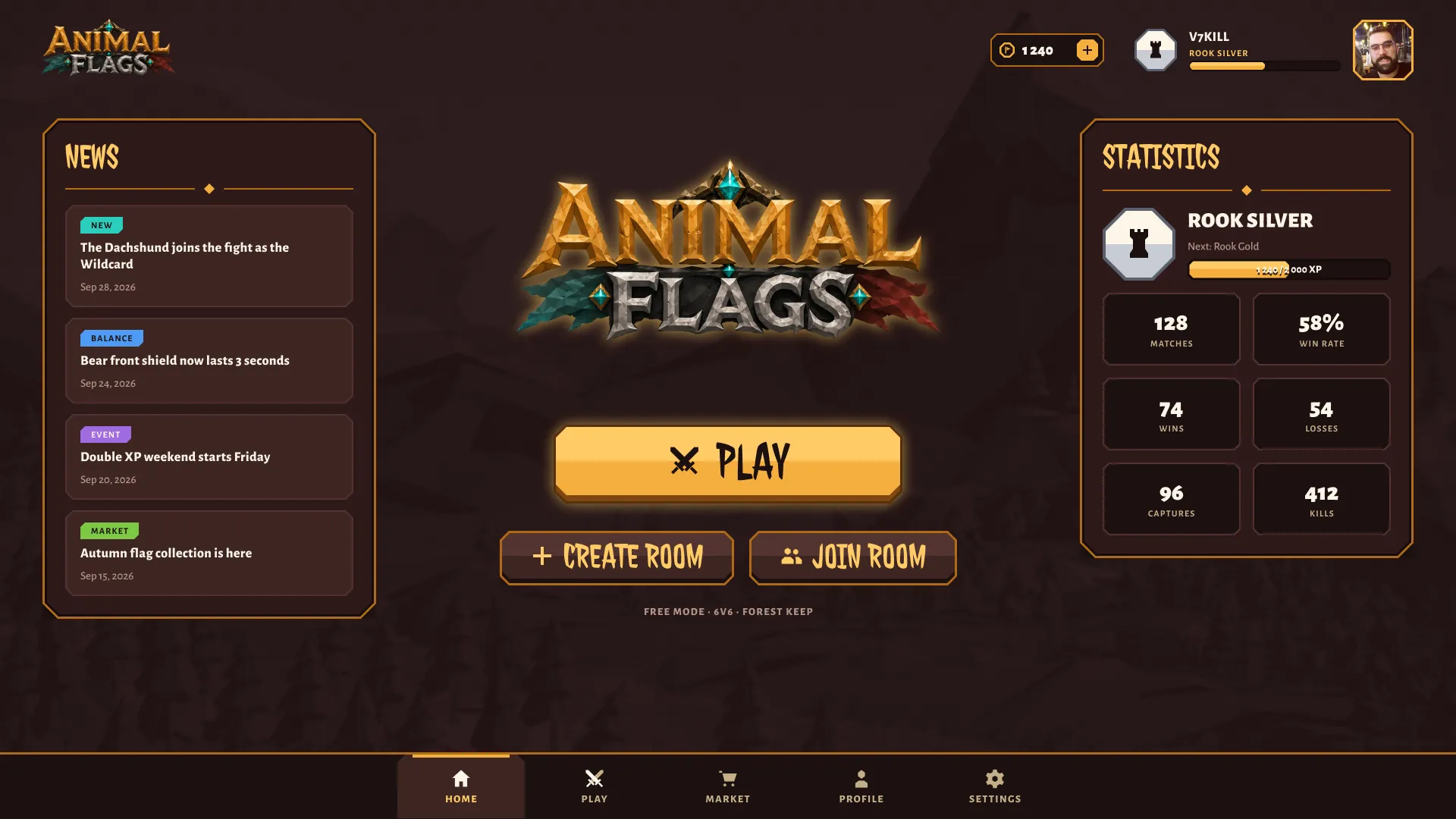
- 10High-fidelity screensLogin to post-match, plus a desert HUD variant
- 9 + 1Playable classesEach with its own role, stats and ability
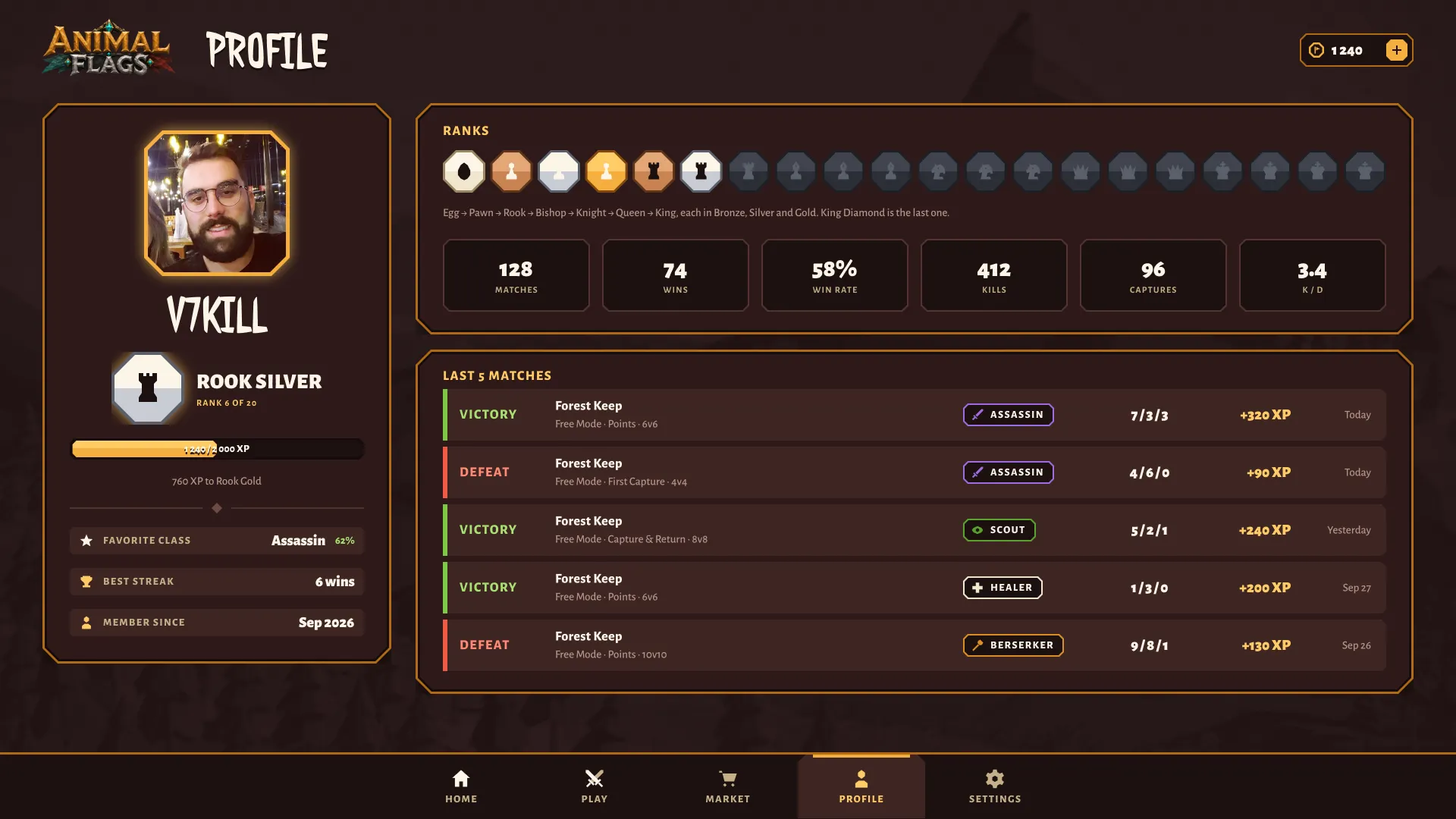
- 20Player ranksA chess-piece system, from Egg to King Diamond
- 231Design tokensFigma variables: color, type, spacing, effects
My role & tools
Solo project. I acted as Product Designer and Creative Director: I wrote the game design, defined the visual identity, directed the character art, built the design system in Figma and designed every screen. I used the same process I use with product teams: define the problem, set principles, design the system, then the screens.
- Game Design
- Art Direction
- UX Design
- UI Design
- Design System
- Figma
- Figma Variables
Project timeline
- Weeks 1–2ConceptCore rules, game modes, victory conditions and maps.
- Weeks 3–4CharactersClasses, stats, abilities and art direction for the 9 warriors.
- Weeks 5–6Design systemTokens, type, buttons, panels, HUD and rank components.
- Weeks 7–8ScreensThe 10 screens of the player journey, built only with system components.
02 · RESEARCH
Understanding the space
Since this is a personal concept, research meant looking closely at the references behind each decision and at what makes team shooters fair and fun.
Where the ideas came from
- OriginBandeirinhaThe classic Brazilian schoolyard game. Its rules are understood in seconds, which is the perfect starting point for a competitive game.
- StructureAmerican footballAttack and defense turns, zones to conquer and a time limit for each try. The base for the Turns mode.
- VisualWind WakerSimple shapes that show emotion right away. The reference for a low poly fantasy style that ages well.
- ProgressionChessEverybody knows that a king is worth more than a pawn. Chess pieces make the rank system readable without explanation.
Key insights
- 01Death needs a real costIn many shooters you respawn close to the action, so a mistake costs almost nothing. Sending the player back to their own base makes every fight matter and creates tension.
- 02Classes must create team needsIf any class can do everything, teams stop talking. Each warrior needs a clear role, so a team without a Healer or a Scout feels the gap.
- 03Fair play is not for saleCompetitive players leave when money buys power. Everything bought with real money has to be cosmetic.
- 04Status must be visiblePlayers want others to see how far they have come. Rank has to appear in the lobby, in the room and at the end of every match.
Proto-personas
Built from my own experience as a player and from player types common in team games. They are assumptions to validate in playtests, not research results.
- Lucas, 19Student · Belo Horizonte
- Competitive
- Plays 3–4 h a day
Plays ranked matches with a fixed group of friends on Discord. Knows every patch note and cares a lot about balance.
Goal
Climb ranks and show his skill.
Frustration
Matches decided by money, luck or one broken character.
“If I lose, I want it to be my fault, not the game's.”
- Marina, 27UX Writer · São Paulo
- Casual
- Plays after work
Plays short sessions with colleagues at night. Likes funny characters and clear rules more than long tutorials.
Goal
Have fun in 20 minutes and laugh with friends.
Frustration
Games that take too long to understand or that punish beginners.
“I want to press play and understand what to do in one minute.”
- Rafael, 34Engineer · Curitiba
- Strategist
- Team leader
Grew up with team shooters. Usually plays support and organizes the team before each match.
Goal
Win through planning and team composition.
Frustration
Chaotic matches where nobody plays their role.
“A good team with a plan beats five good players alone.”
03 · IDEATION
Turning a simple rule into a deep game
I explored the concept through How Might We questions, then set principles to judge every decision.
How might we
- HMW make every death meaningful without making the game frustrating?
- HMW make team composition matter more than individual skill alone?
- HMW make money support the game without breaking fair play?
- HMW show a player's experience at a glance, before the match starts?
Design principles
- 01Easy to learn, hard to masterThe rule fits in one sentence. Depth comes from maps, classes and team play.
- 02Every step is a betRisk is the core feeling. The interface always shows what you can lose.
- 03Roles over powerNo class is the best. Each one solves a problem the team has.
- 04Fair by designMoney buys style, never advantage.
Chosen concepts
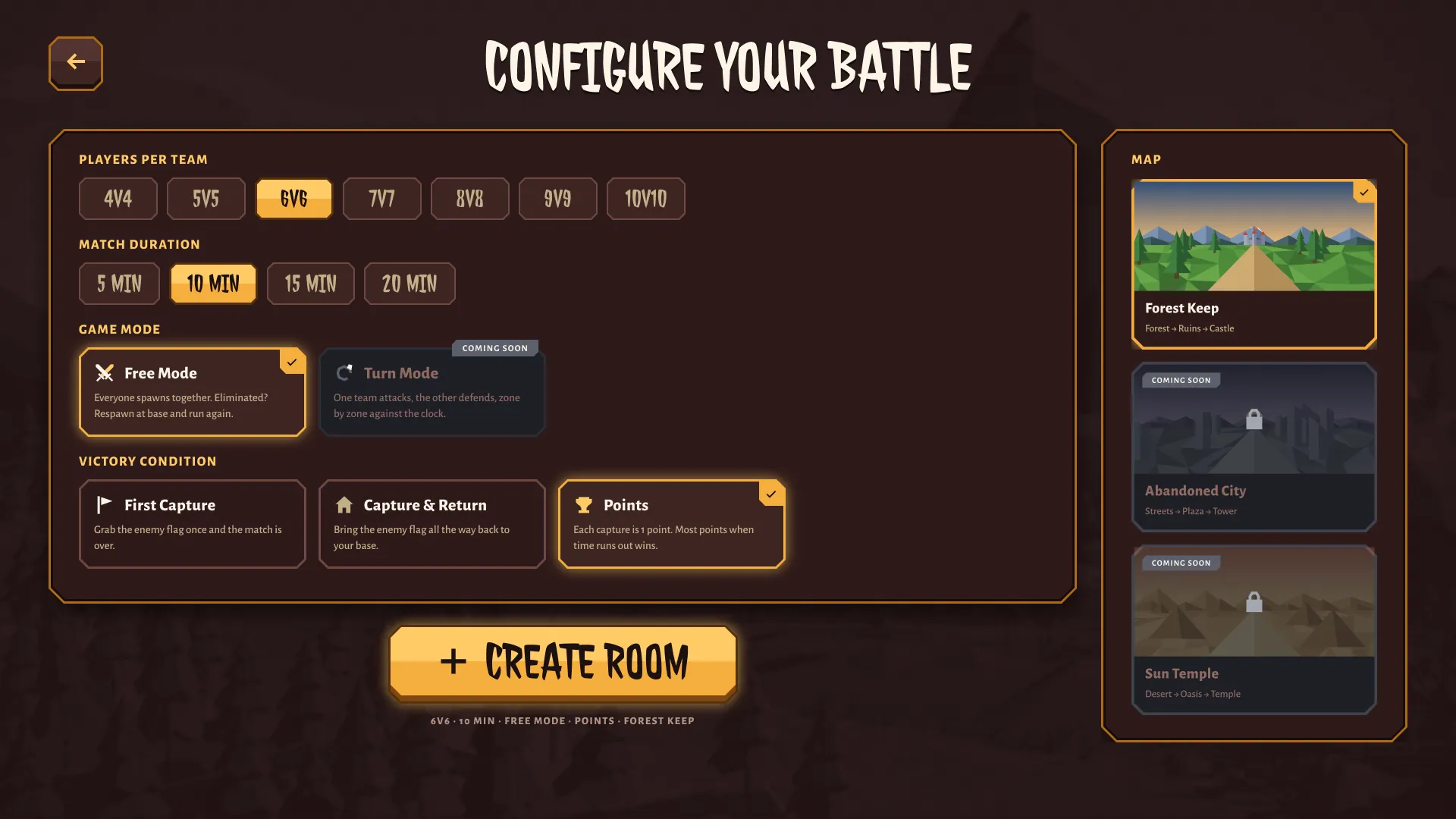
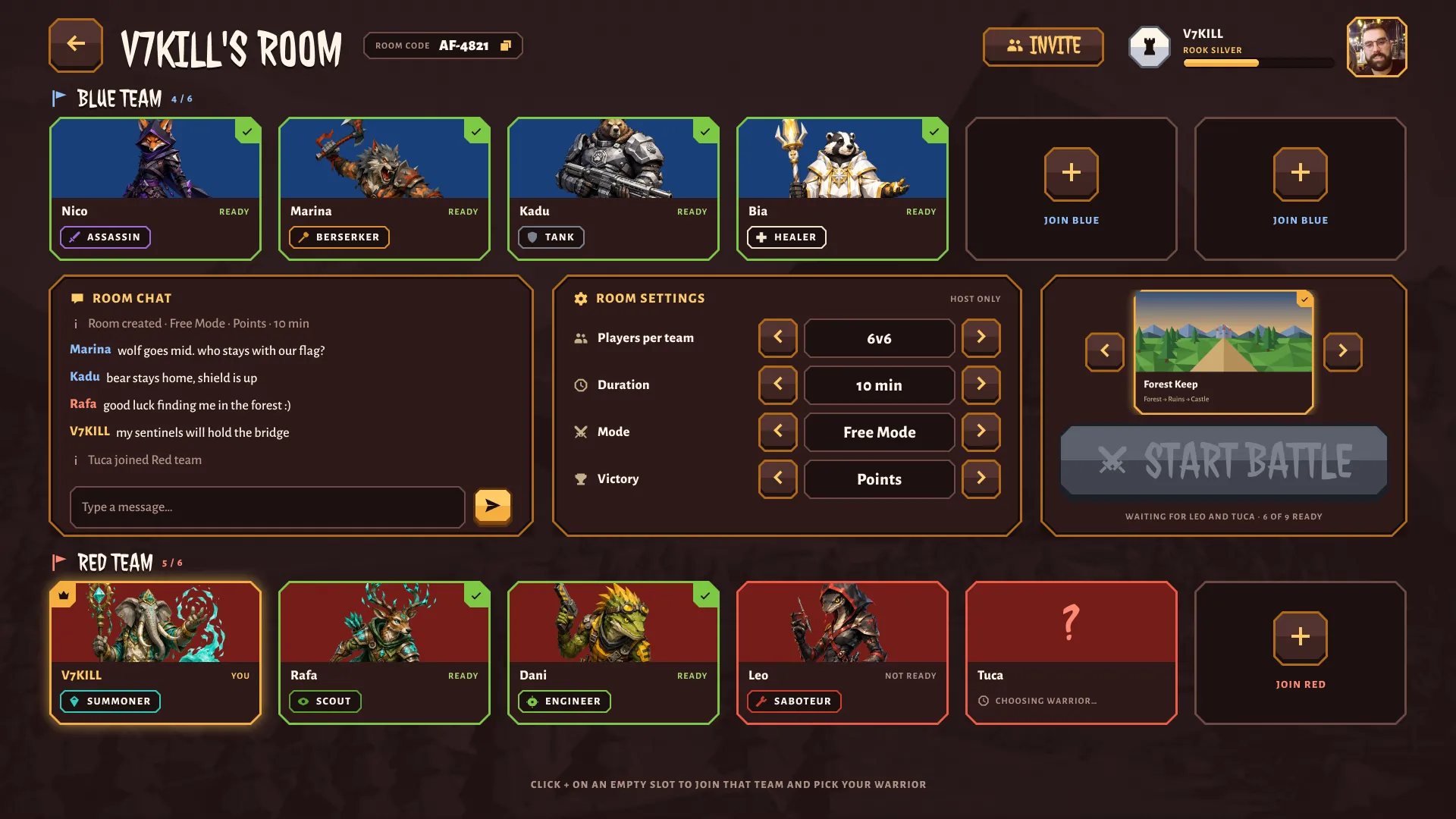
- Two game modesFree Mode: everybody spawns at once and runs for the enemy flag. Fast, chaotic and fun. Turns Mode (in development): one team attacks and the other defends, with zones to conquer in a time limit, like downs in American football.
- Flexible victory conditionsThe room creator chooses how to win: First Capture, Capture & Return (bring the flag back home) or Points (most captures when time ends, with sudden death on a tie).
- Maps with biomesLong, linear maps split into biomes that change the way you fight. Forest, Ruins and Castle for the MVP, then Abandoned City and Desert, Oasis and Temple.
- Chess-piece ranks20 ranks from Egg to King Diamond: Pawn, Rook, Bishop, Knight, Queen and King, each in Bronze, Silver and Gold. Easy to read, easy to remember.
04 · GAME DESIGN
Ten warriors, one team
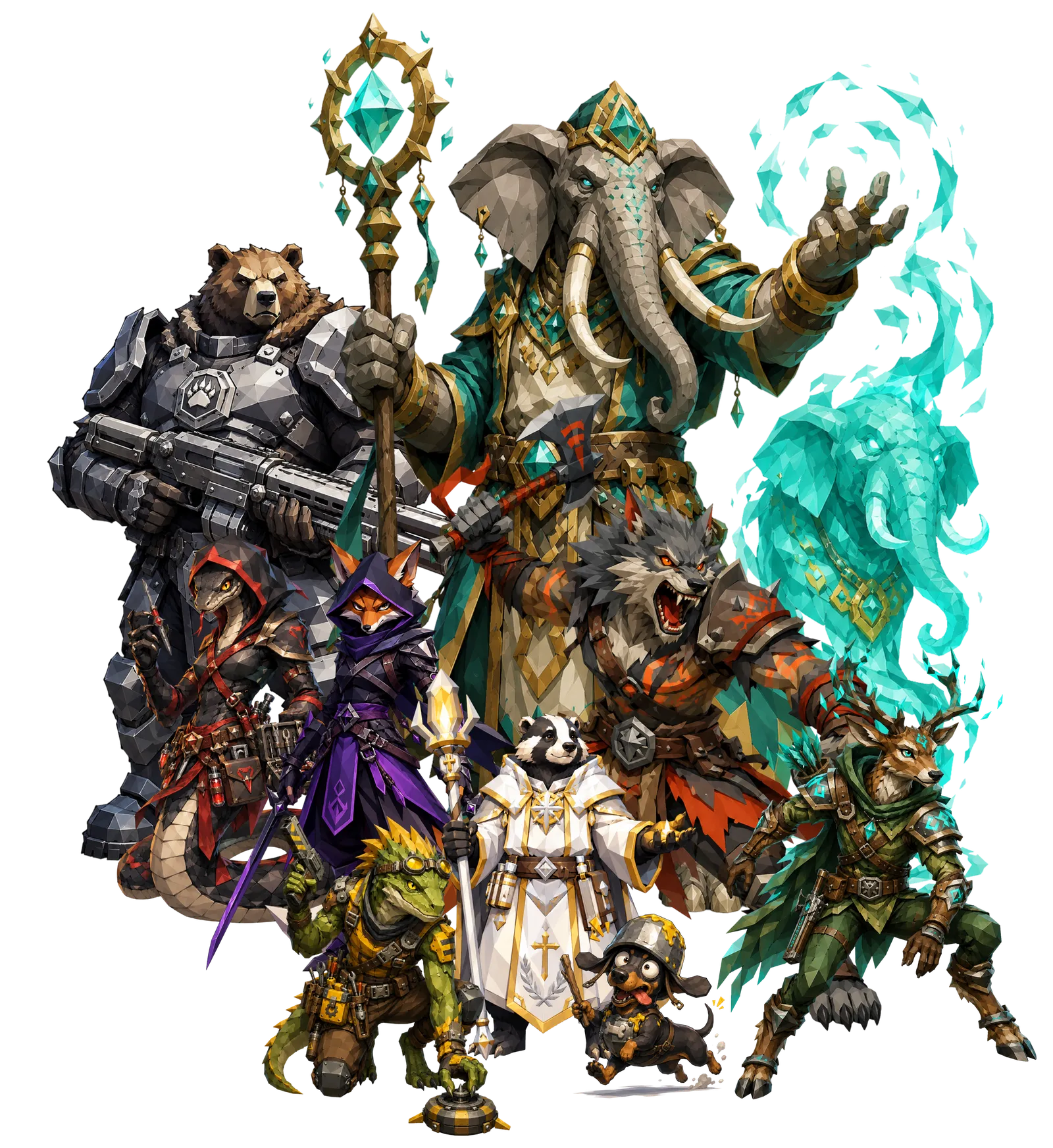
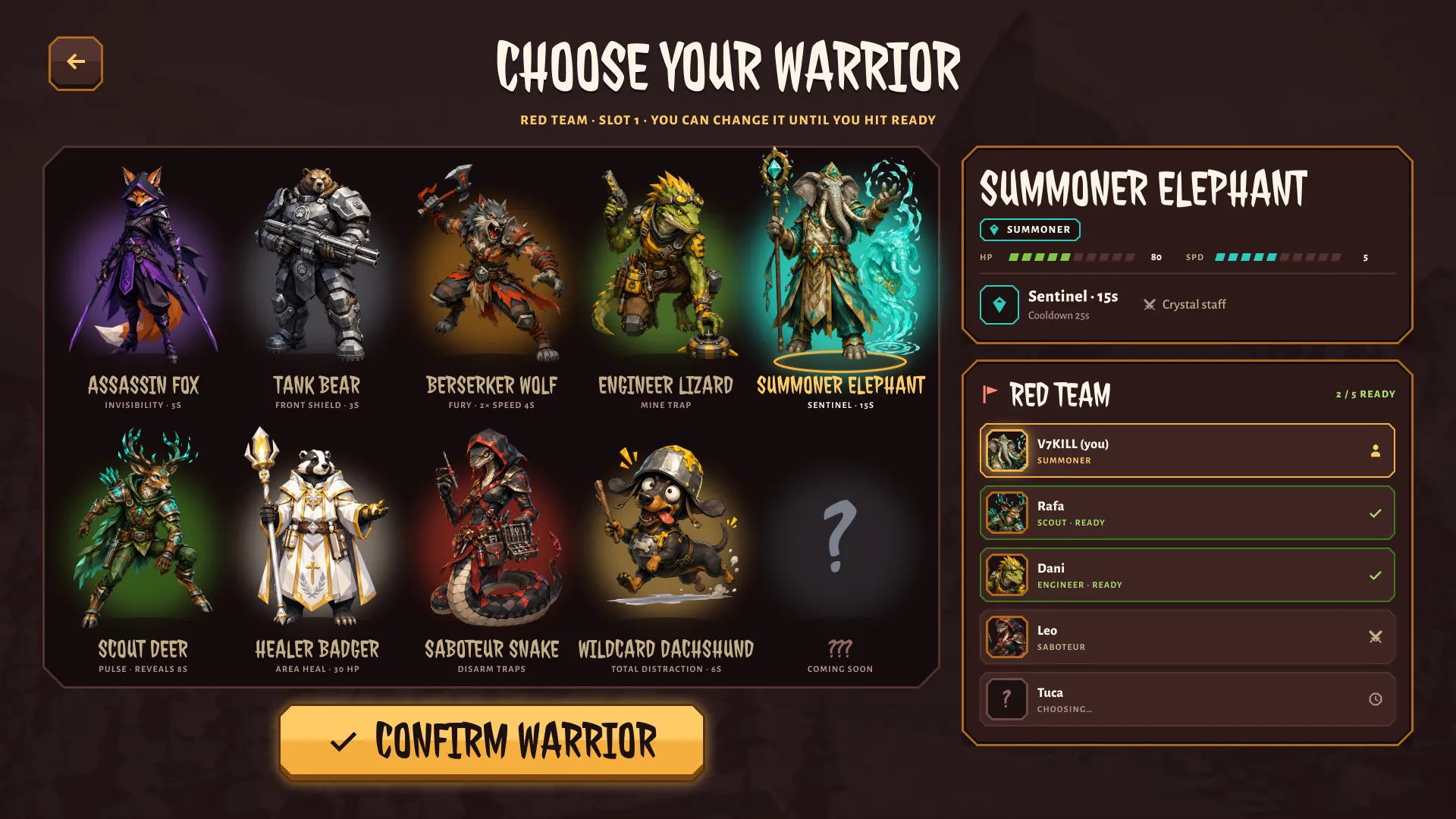
Every class has unique stats, one main weapon and one special ability with cooldown. Picking a class means picking a role in the team.
- Assassin FoxAssassinInvisibility for 5 s, until it attacks
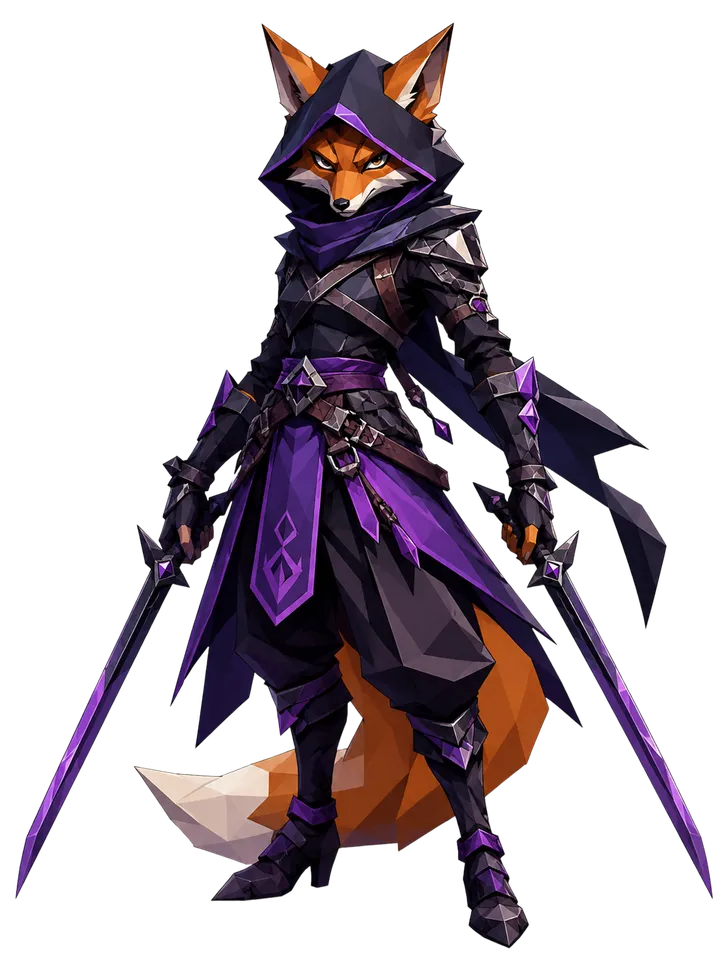
- HP
- 60
- SPD
- 8
- Tank BearTankFront shield that blocks all damage for 3 s
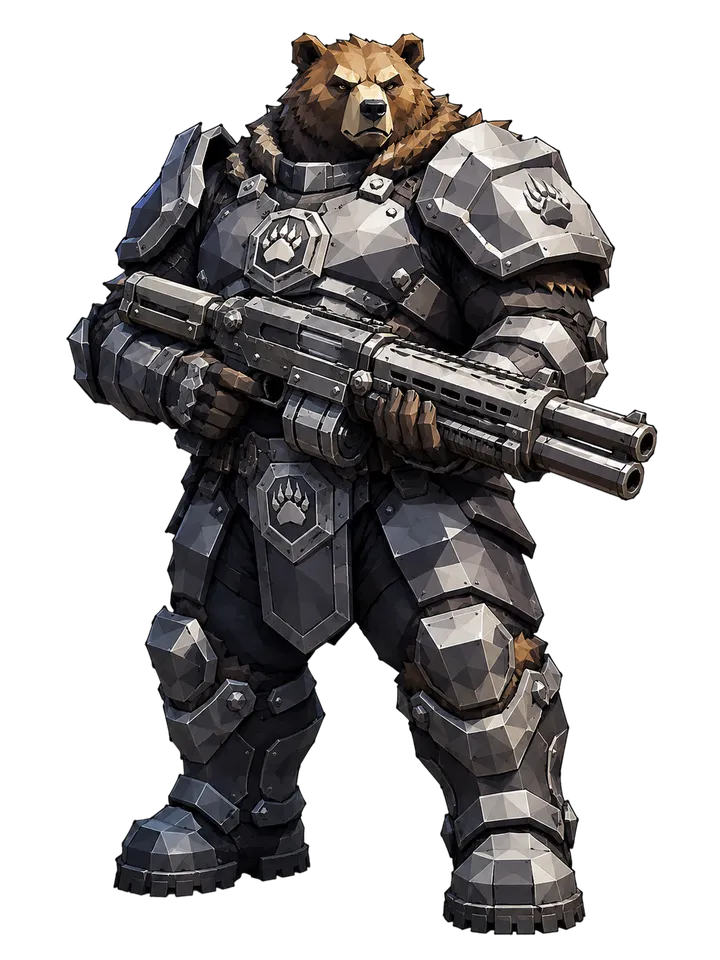
- HP
- 150
- SPD
- 3
- Berserker WolfBerserkerFury: double speed for 4 s
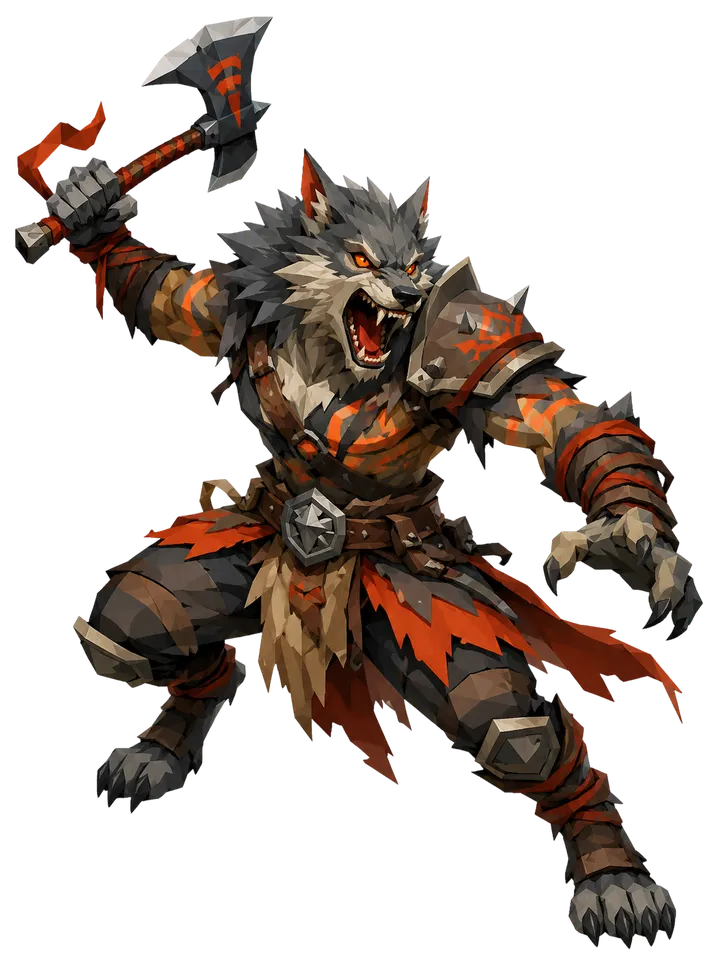
- HP
- 80
- SPD
- 9
- Engineer LizardEngineerMine trap that explodes when stepped on
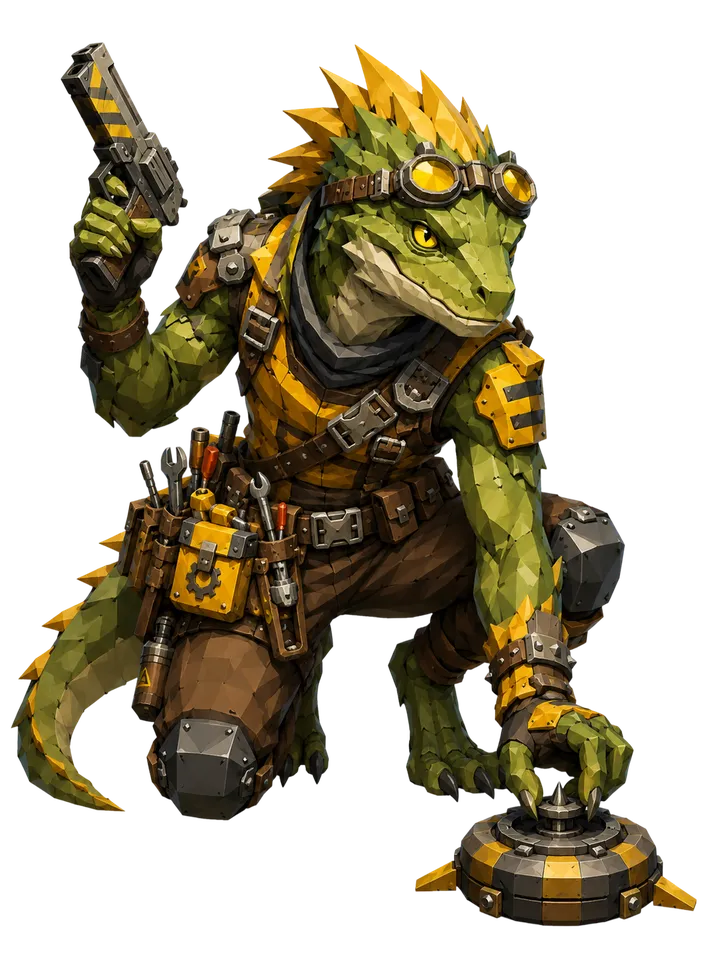
- HP
- 90
- SPD
- 5
- Summoner ElephantSummonerSentinel: creatures that patrol for 15 s
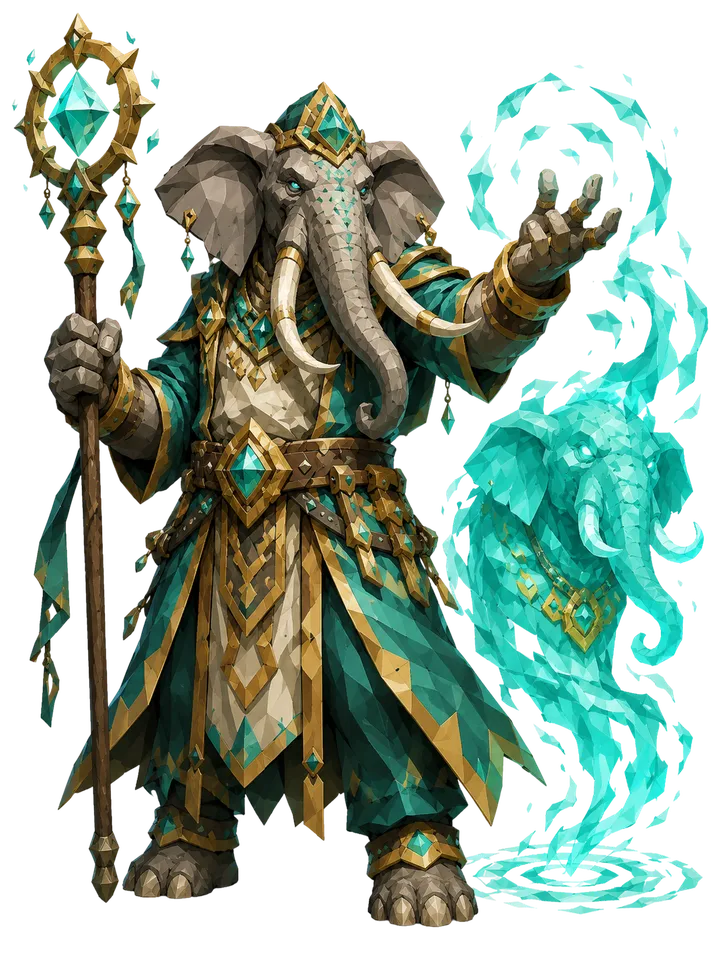
- HP
- 80
- SPD
- 5
- Scout DeerScoutPulse: reveals all enemies for 8 s
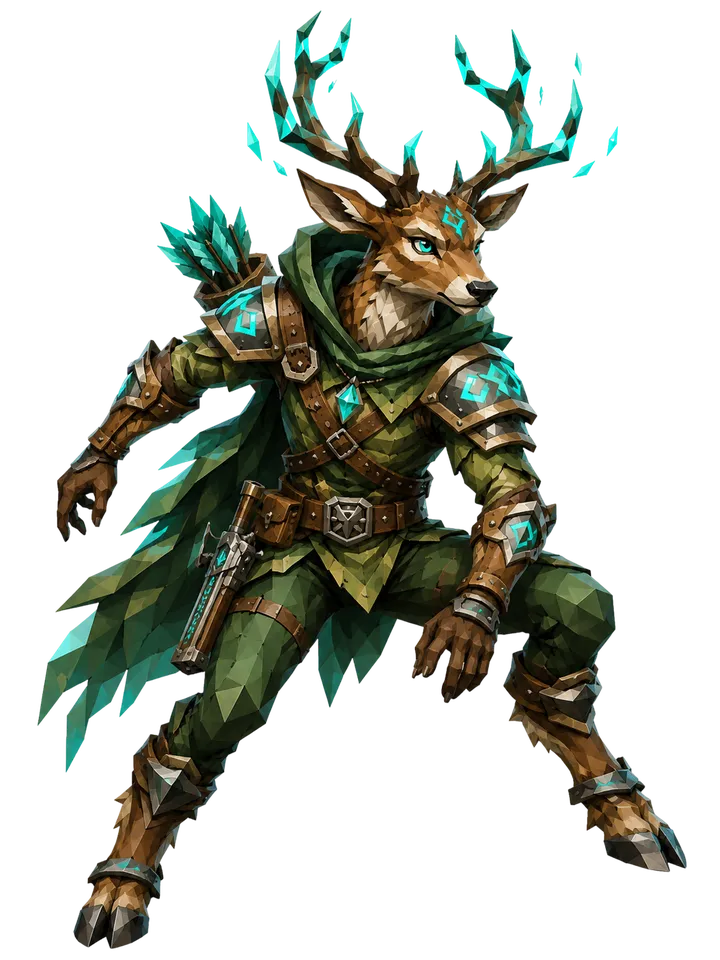
- HP
- 70
- SPD
- 8
- Healer BadgerHealerArea heal: +30 HP to every ally nearby
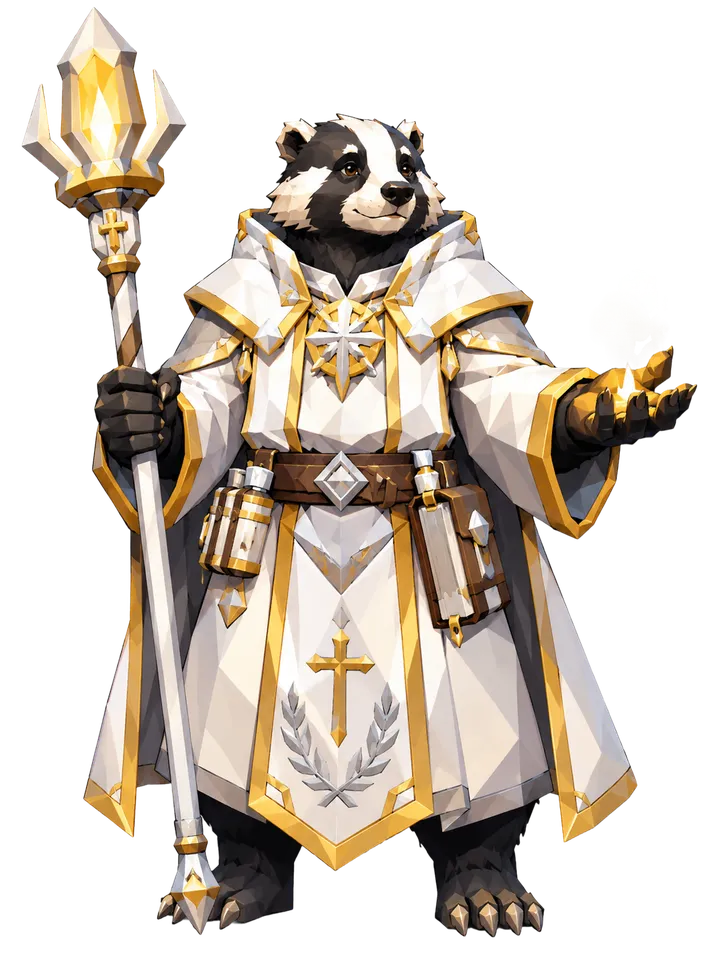
- HP
- 90
- SPD
- 6
- Saboteur SnakeSaboteurDisables traps and opens gaps in walls
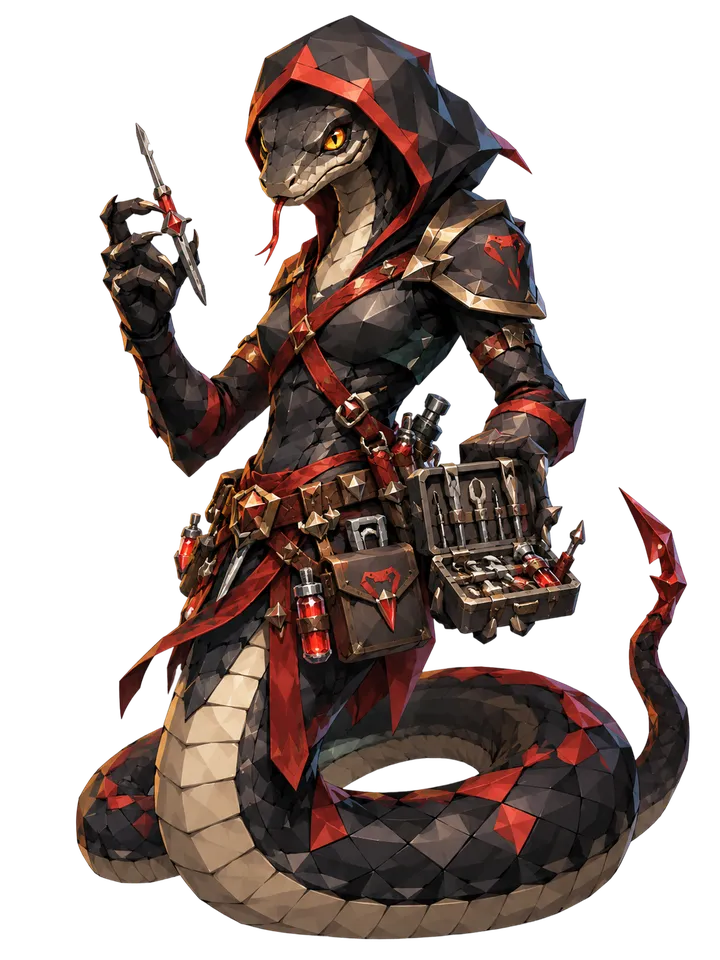
- HP
- 75
- SPD
- 7
- Wildcard DachshundWildcardTotal Distraction: nearby enemies stop attacking for 6 s
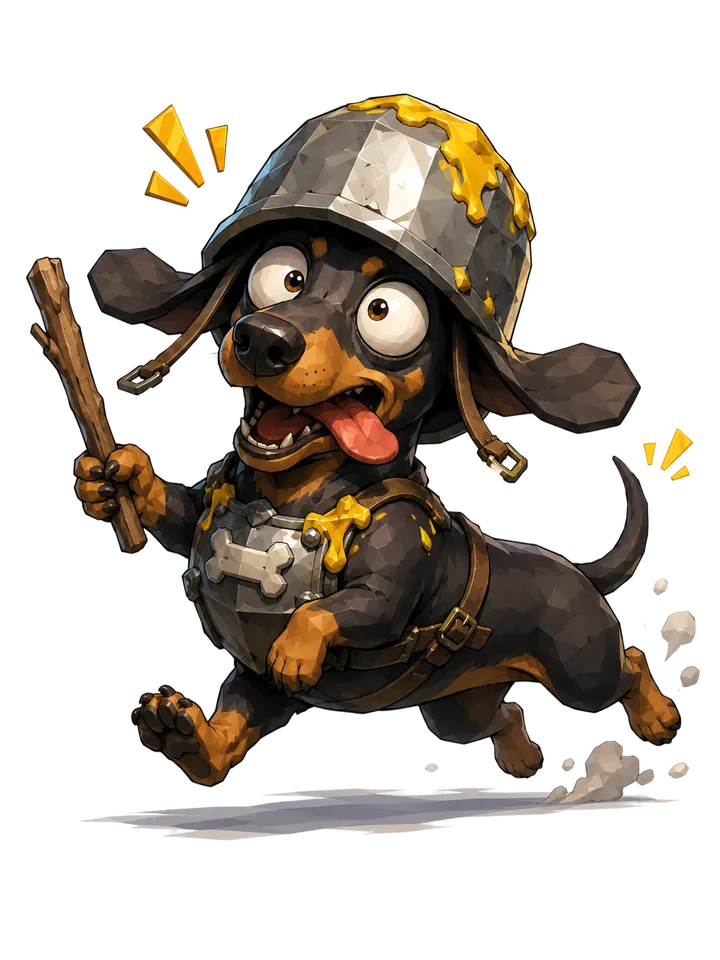
- HP
- 30
- SPD
- 6
- ???Coming soonA secret tenth warrior
A team without a Healer is fragile on long crossings. A team without a Scout plays blind. A team without a Wildcard loses the surprise.
Maps
- MVPForest → Ruins → CastleDense forest with natural cover, old ruins full of surprise angles, and a dark castle with narrow corridors and chokepoints.
- Coming soonAbandoned CityPost-apocalyptic streets, alleys, a subway and many vertical levels. Made for mid-range fights and positioning.
- Coming soonDesert → Oasis → TempleAn open and dangerous start, a dense oasis with cover, and a maze-like temple. The hardest map for slow classes.
Progression: ranks as chess pieces
Players earn XP in every match, and more when they win. Everybody starts as an Egg. King Diamond is the final proof of dedication, a rank any opponent recognizes immediately.

Monetization: pay to cosmetic
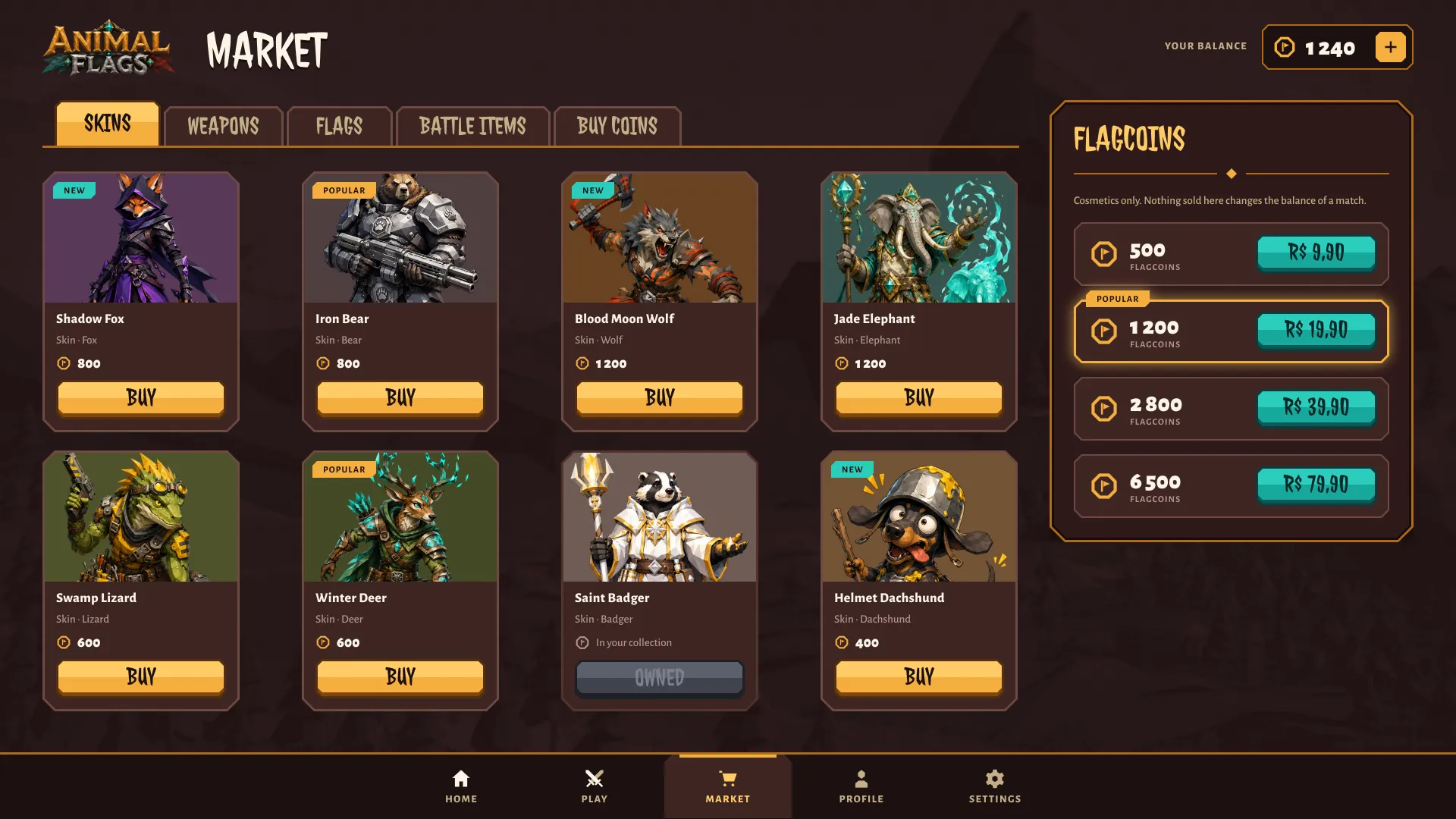
Nothing bought with real money changes the balance. FlagCoins, the premium currency, can be bought or earned in small amounts by playing.
FlagCoin packs
- 500 FlagCoinsR$ 9.90
- 1,200 FlagCoinsR$ 19.90
- 2,800 FlagCoinsR$ 39.90
- 6,500 FlagCoinsR$ 79.90
What the Market sells
- Skins for each of the warriors
- Cosmetic versions of each class weapon
- Custom flags for your team to defend
- Pre-battle items, like extra healing potions and speed amulets, balanced to add tactics without breaking fair play
05 · DESIGN
From system to screens
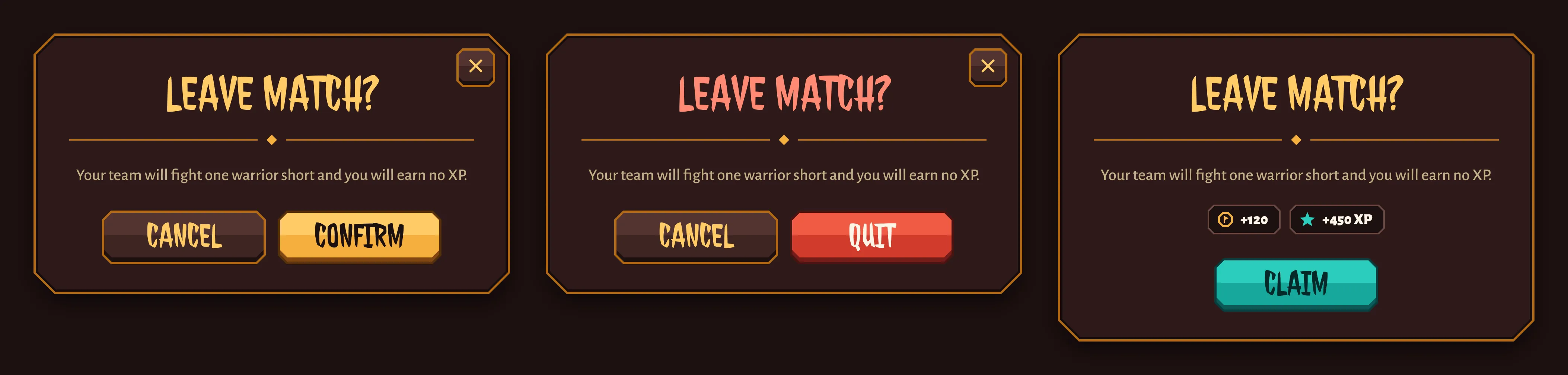
I built the design system first, then designed all screens using only its components. This kept 10 complex screens consistent.
Visual identity
The characters are low poly fantasy: geometric, colorful and expressive, mixing comic personality with epic strength. The interface follows a dark fantasy look: warm dark surfaces, gold for value and action, teal for magic. Jolly Lodger is used for titles and buttons, always in uppercase. Alegreya Sans is used for reading, labels and numbers.
Core palette
- Ember 850#231313 · Canvas
- Ember 800#2E1A19 · Panels
- Gold 400#F5AE3D · Primary action
- Gold 300#FFCB66 · Accent text
- Bone 50#FBF5E8 · Main text
- Teal 300#5FE6D5 · Magic
- Red 400#F05A45 · Red team · danger
- Blue 400#4F9BF5 · Blue team
Typography
Design system
- Semantic tokens231 variables. Primitive color ramps are hidden, so screens only use semantic tokens like surface/panel or action/primary.
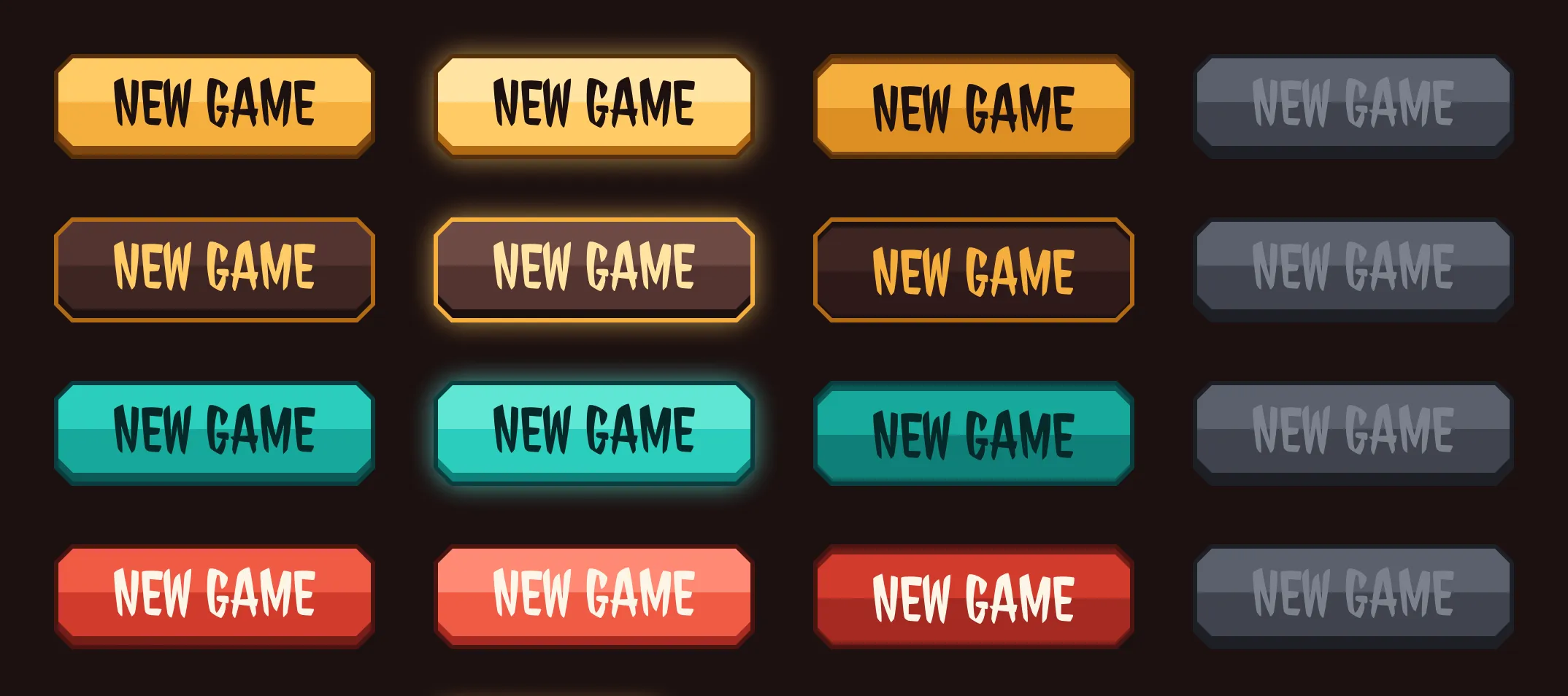
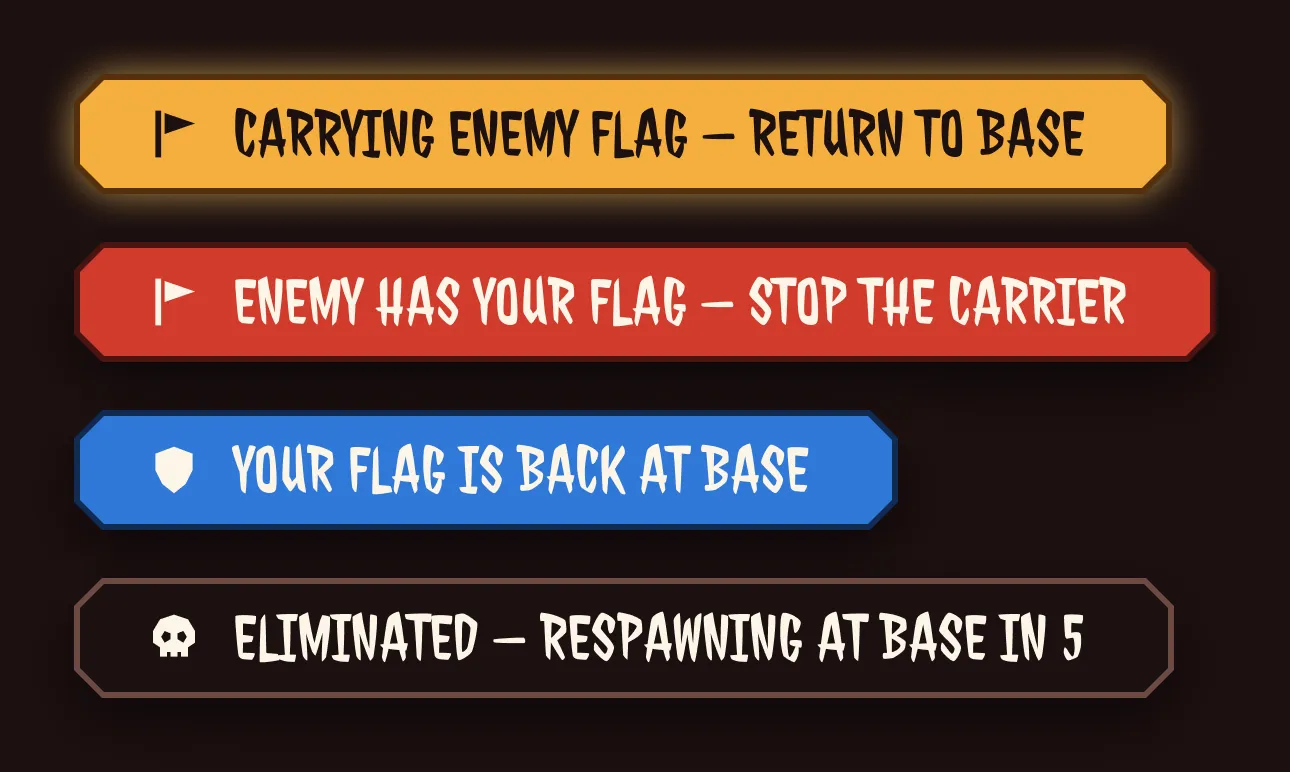
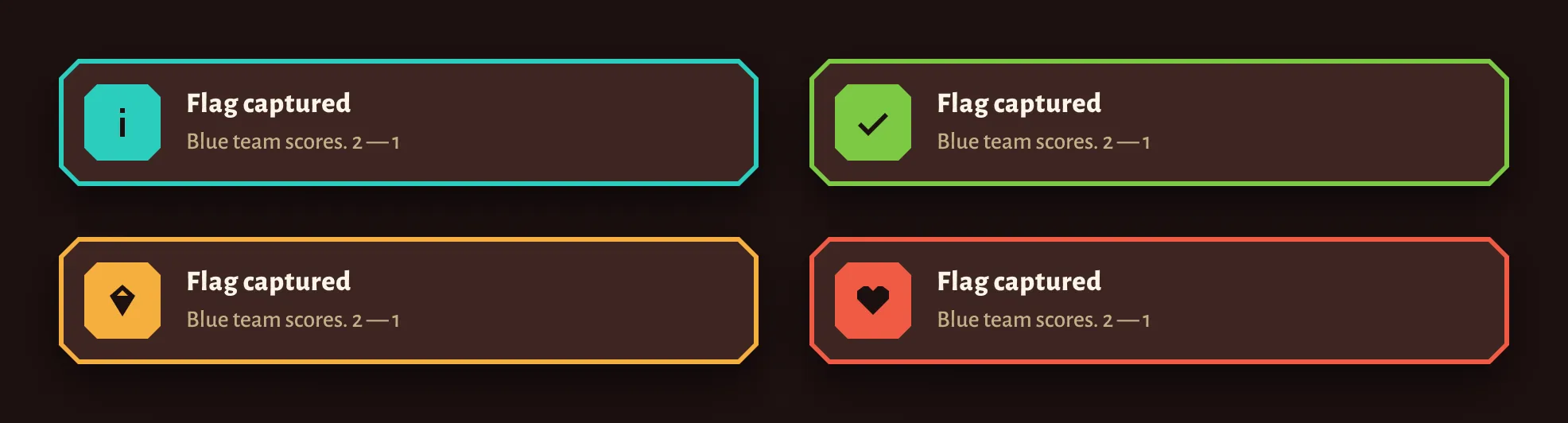
- ComponentsButtons, panels, overlays, tags, class badges, rank badges, stat bars, timers, FlagCoin counter and player badge.
- Game specificMatch HUD, warrior select cards, lobby, results and market patterns, ready to scale to new classes and maps.
Components from the system

Key design decisions
- 01The player is not a warriorIdentity is the username and photo, not a character. The warrior is chosen for each match, so players never feel locked into one class.
- 02Rank everywhereThe player badge shows rank and progress on the menu, in the room, in the results and on the profile. Status is always visible.
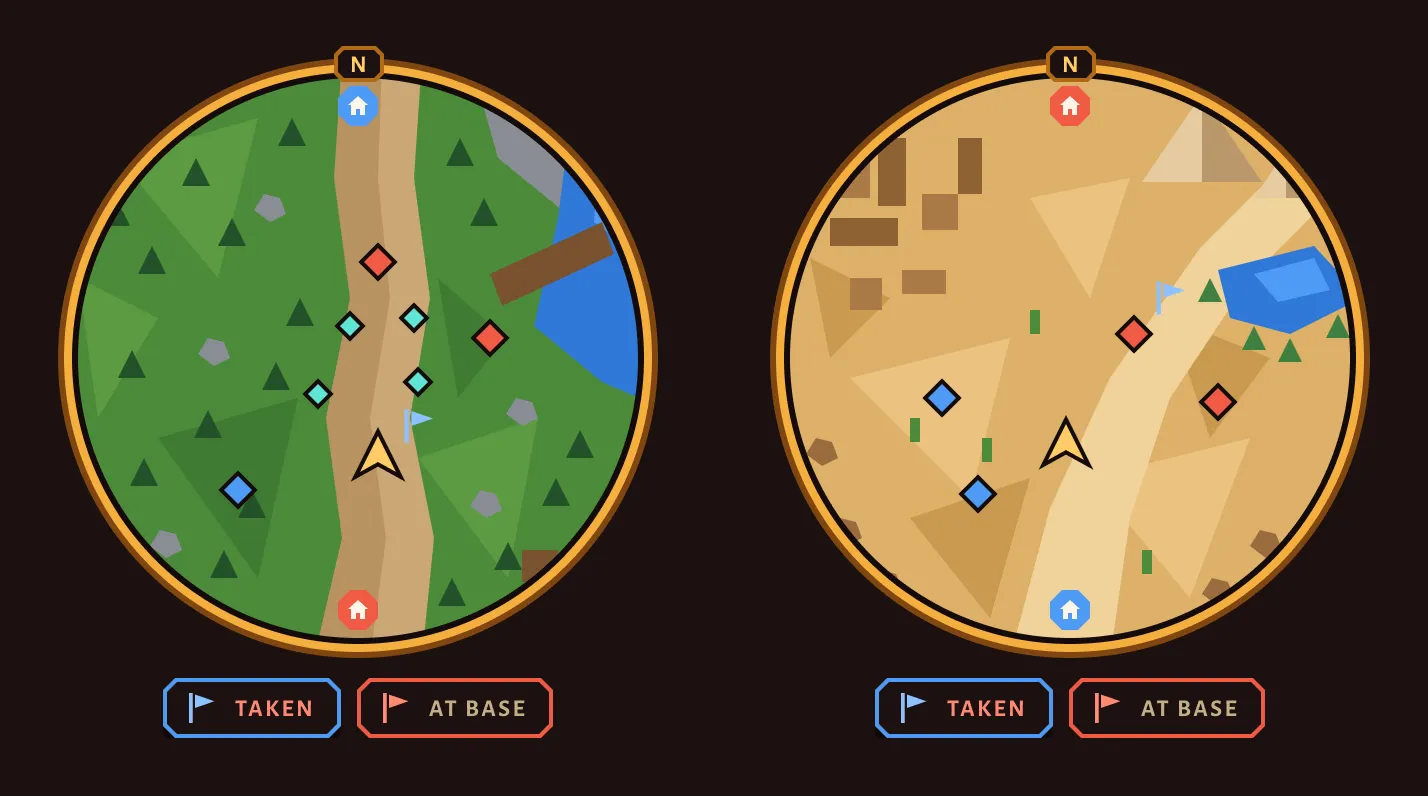
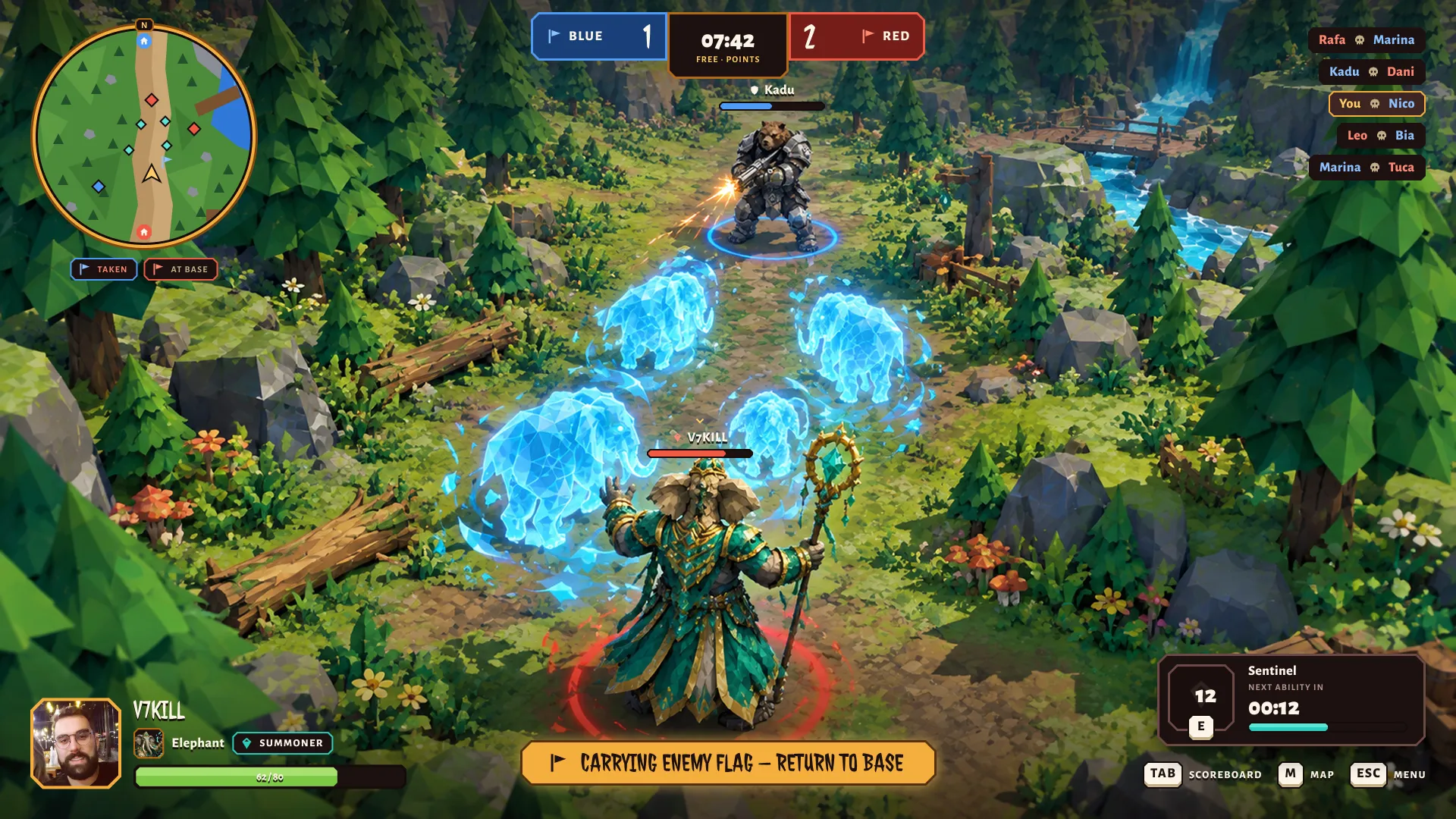
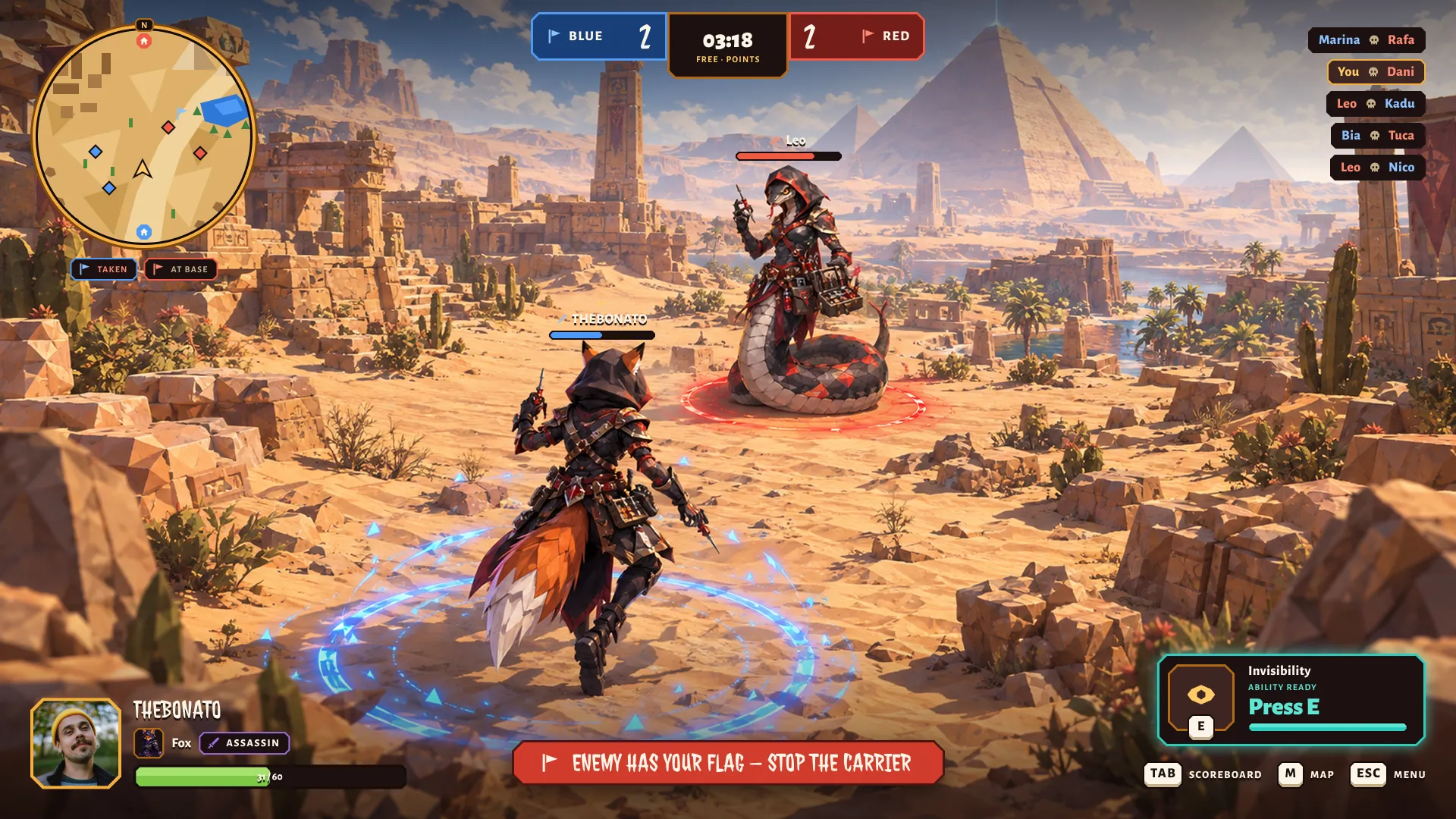
- 03HUD tested on two biomesI designed the match HUD on a green forest and on a bright desert. Panels and labels had to stay readable on both.
- 04Risk is always visibleWhen you carry the flag, a clear banner says it. When the enemy has your flag, the alert turns red with a direct call to action.
The game in action
Two short concept videos I made to show how a match should feel, with the HUD on top of the gameplay.
High-fidelity screens
06 · VALIDATION PLAN
How I will measure it
Animal Flags is a concept and has not been tested with players yet. These are the targets I would track in the first playtests.
Success targets
- < 90 sFrom opening the game to the first match
- ≤ 20%Pick rate of any single class, a sign of good balance
- ≥ 70%Of players who can explain the rules after one match
- ≥ 35%Of new players who come back on day 7
Planned usability test
Moderated sessions with 8 players: 4 competitive, 4 casual. Results will be charted by task.
| Task | Success criteria | Target |
|---|---|---|
| Create a room and invite a friend | Done without help | 90% success |
| Choose a warrior that fits the team | Can say why they picked it | 80% success |
| Find the enemy flag on the minimap | Under 10 seconds | 85% success |
| Understand why they lost XP or rank | Explains it in their own words | 75% success |
| Buy a skin with FlagCoins | Done in under 3 steps | 90% success |
Player feedback
No quotes here yet, on purpose. The next step is to put the prototype in front of players and add their real words to this case.
07 · CONCLUSION
Reflection & key learnings
What worked, what was hard, and what comes next.
What worked well
- Starting from a game everybody knows made the core rule clear from day one.
- Building the design system before the screens made 10 complex screens fast and consistent.
- Design principles helped me cut ideas that were fun but did not serve the game.
- Thinking about monetization early protected the fair play promise.
What comes next
- Clickable prototype of the full journey
- Playtests with competitive and casual players
- Turns Mode and the Abandoned City map
- Reveal the tenth warrior
Challenges & trade-offs
- Fun versus fairnessThe Wildcard Dachshund is the funniest warrior, and also the hardest to balance. I gave it very low HP (30) so its 6 second distraction always has a cost.
- Dark UI on any mapA dark interface looks premium, but maps can be very bright. Testing the HUD on two biomes showed me that panels need strong backgrounds and borders.
- ScopeTurns Mode and two maps are designed only at concept level. I chose to finish one complete journey with high quality instead of many half screens.
Key learnings
Designing a game made me think in systems more than ever. Every number is connected: if the Fox is faster, the Bear needs more HP, the map needs more cover and the HUD needs a new alert. A screen is never only a screen.
Working as product designer and creative director at the same time taught me to protect the vision and still question it. Principles were my best tool to say no to my own ideas.
Without real users, the most honest thing a designer can do is to write down assumptions and a plan to test them. That is what I will do next.